Lichuan is located just 5 min away from Promised-land resort, the palce with pure, non pullted water resource which sucessfully developed the golden clam essence, not only can visitors experience the local country flavor of the old-style clam catching, they can also try out Lichuan's unique fish foods at the "Old Diner's Private Kitchen".
Carp Lake is the largest inland lake in Hualien County. It earned its name because of the shape of mountains surrounding the lake. The highway that surrounds the lake is 4-kilometer long and will take the strollers an hour to walk along the lake. Tourists can enjoy various outdoor activities such as camping, picnic, or even paragliding soar-ing along the lake and the mountains. On a sunny day, you can also choose to paddle the boat or have a bike tour on the lake highway. You can also try the tasty raw and live shrimp. The night view of the lake is especially beautiful during April and June with the sprinkled moonlight on the lake and numerous glittering fireflies. As you visit the lake during the night, please make sure to tone down your voice and reduce the lighting so that the fire-flies may not be distracted.
Niushan is located between Shulian, Fanshuliaokeng, and Jici, one of the five nature re-serves on the east coast. Furthermore, the intri-cate textures of Niushanbi serve as an excellent geological classroom. Niushan is a place for cattle grazing and farming for the Amis. The Amis called the place “Huting.”
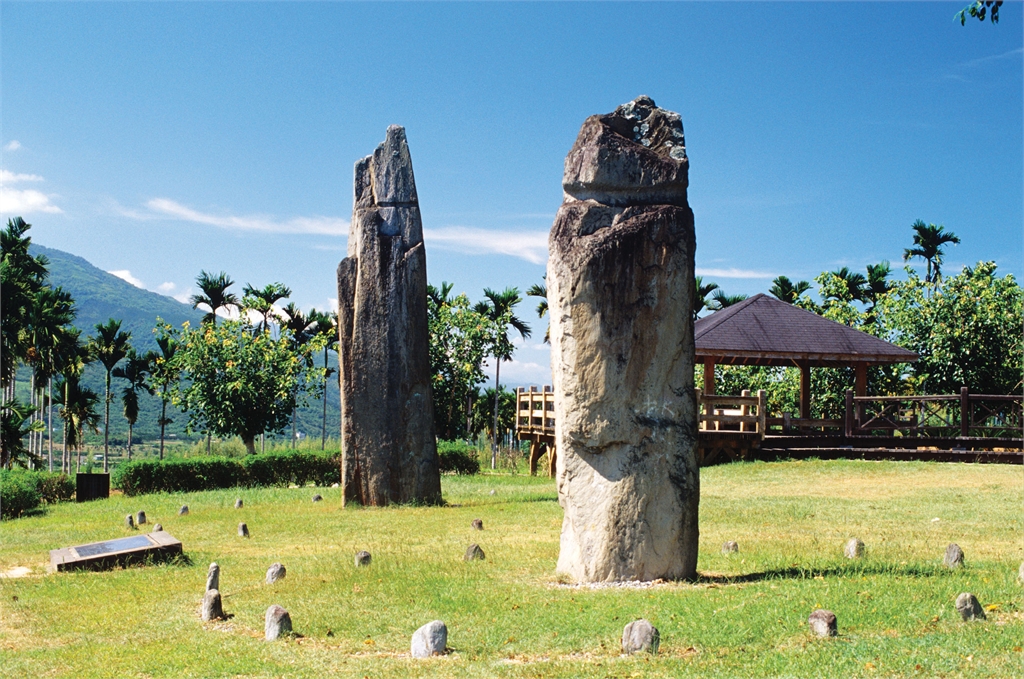
Saoba Ruin is an archaeological site in Tai-wan. The site is located to the southwest of the confluence of Xiuguluan River and Hongye River in the East Rift Valley. It is al-so located to the north of Wuhe Terrace. The Terrace stands in the middle of the val-ley looking over the Xiuguluan River. The views there are great and the scenery is pleasant.
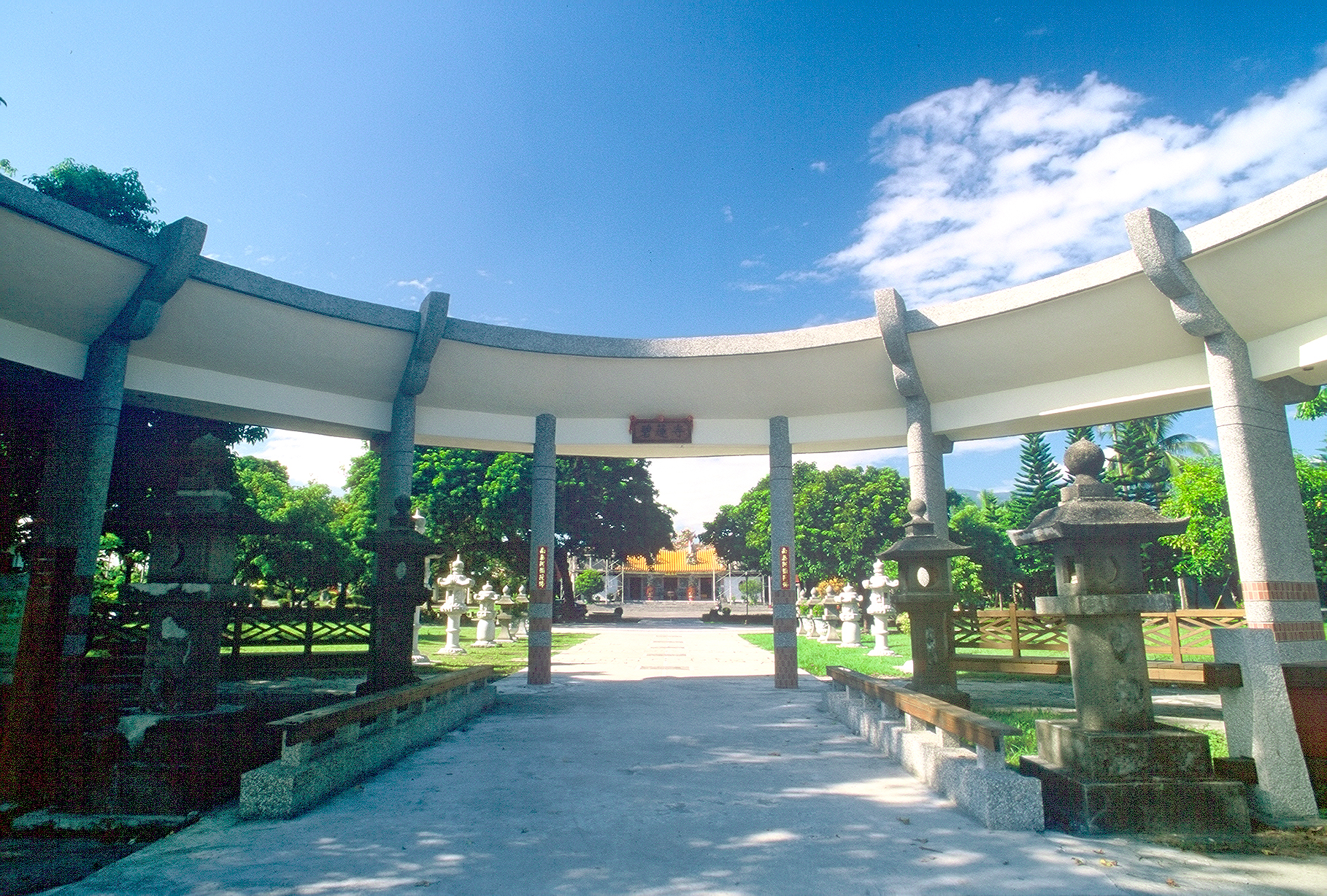
Bilian Temple used to be “Fengtian Shrine.” It is a 100-year-pld temple. Though the original shrine was replaced with a Chinese-style temple, you can still see “Torii (Japanese gate),” “pilgrimage route,” “stone lantern” and “Komainu (lion dog statue)” in front of the temple. The remnants of the shrine tell the story of the relationships between old and new cul-tures.